


Best Careers for Life Path 2
Your greatest strength is the one most careers forget to value: the ability to make others feel genuinely heard.If your Life Path Number is 2, you do not operate the way the world assumes you should. You are not loud, not aggressive, not obsessed with being first. And yet the people who can do what you do — build real trust, dissolve conflict before it hardens, and hold a room together — are rarer than anyone realizes. The career that fits you is one that rewards those gifts directly.
Life Path 2 people thrive in counseling, diplomacy, collaborative partnerships, and the arts. The best careers are Therapist, Counselor, Mediator, HR Professional, Social Worker, Musician, and Account Manager. The worst are high-pressure solo roles, cutthroat competitive environments, and any setting where success requires trampling over others to advance.
What Being a Life Path 2 Actually Means at Work
The number 2 carries Moon energy — receptivity, depth, and the capacity to feel what others feel without losing yourself in it. At work, this translates into an almost uncanny ability to read a room, navigate interpersonal complexity, and build the kind of trust that takes most people years to earn. You are the person others come to not because you have the most credentials, but because they know you will actually listen.
This is not a soft skill. In a world where most organizations fail due to communication breakdown, people problems, and fractured relationships rather than technical failures, what you carry is genuinely structural. The right career context makes this obvious. The wrong one buries it.
"Peace is not the absence of conflict; it is the ability to handle conflict by peaceful means." — Ronald Reagan
Your shadow side matters here too. Hypersensitivity, passivity when you need to hold a line, and a tendency to avoid confrontation until a situation becomes unsalvageable — these are real LP2 patterns. The most effective Life Path 2 professionals are not the ones who eliminate conflict avoidance entirely. They are the ones who develop a deliberate practice of naming problems early, before they require a harder conversation later. That capacity to speak up sooner is what separates the LP2 who shapes outcomes from the one who absorbs them.
Best Career Fields for Life Path 2
These four domains consistently align with LP2's natural strengths. They share a thread: all of them reward the ability to connect, support, mediate, and collaborate — and all of them place genuine human relationship at the center of professional value.
Counseling & Support
The most natural home for LP2 energy. You do not just hear what people say — you hear what they mean. Therapeutic, coaching, and social work environments place your perceptive gifts directly in service of measurable human outcomes.
- Therapist / Psychologist
- Counselor / Social Worker
- Life Coach
- HR Manager / People Partner
Diplomacy & Mediation
Conflict resolution is a skill most people cannot develop no matter how much training they receive. For LP2, it is often intuitive. Mediation, negotiation, and diplomatic roles put your natural peacemaking ability at the center of the work.
- Mediator / Arbitrator
- Negotiator
- Diplomat / Policy Advisor
- Conflict Resolution Specialist
Partnership & Client Roles
Roles built around sustaining long-term relationships with clients, partners, or stakeholders reward LP2's consistency and loyalty. You are the person clients trust enough to call first when something goes wrong.
- Account Manager
- Client Success Manager
- Business Partner / COO
- Project Coordinator
Arts & Expressive Fields
LP2's sensitivity translates directly into artistic depth. Music, dance, and collaborative creative work let you channel emotional intelligence into form. Art therapy is a particularly powerful synthesis of LP2's relational and expressive strengths.
- Musician / Composer
- Dancer / Choreographer
- Art Therapist
- Collaborative Artist
Career Fit Scores by Field
These scores reflect alignment between Life Path 2's core traits — sensitivity, patience, collaborative intelligence, diplomatic skill — and the demands of each career category.
Career fit scores based on alignment of LP2 core traits with role demands.
| Career Field | Fit Score |
|---|---|
| Counseling / Support | 97/100 |
| Diplomacy / Mediation | 95/100 |
| Partnership / Client Roles | 90/100 |
| Education / Teaching | 88/100 |
| Arts / Expression | 86/100 |
| Healthcare / Nursing | 85/100 |
| Administration / Coordination | 80/100 |
| Solo Entrepreneurship | 62/100 |
Work Environment and Style
Where you work shapes how you work — and for LP2, the wrong environment does not just limit your performance, it actively costs you energy you cannot recover during the workday. You are not made for gladiatorial competition, high-pressure isolation, or environments where relationships are transactional by design.
Environments That Work for Life Path 2
Team-Based Settings
Collaborative offices, clinical teams, and project groups where communication is valued over competition give LP2 the relational environment where you operate at full capacity.
Counseling and Therapeutic Spaces
One-to-one or small-group work in therapeutic contexts matches LP2's depth of attention. You can hold presence for another person in a way that feels natural rather than effortful.
Diplomatic and Institutional Settings
Government agencies, non-profits, and international organizations often structure their work around the relational skills LP2 carries naturally. Mission-driven environments tend to bring out your best.
Creative Studios and Ensembles
Collaborative artistic environments — orchestras, dance companies, writers' rooms — give LP2 the combination of emotional depth and group synergy that your creative output depends on.
How Life Path 2 Works Best
You sustain output over time rather than in dramatic sprints. Consistent presence, steady relationship-building, and the long game are your natural modes. You are not the person who charges in at the last minute and pulls off a miracle — you are the person who made sure there was no crisis to solve in the first place.
In professional relationships, you build loyalty that outlasts most of your colleagues' connections. Clients remember you. Colleagues trust you. The difficult part is that organizations often fail to formally recognize this contribution because it does not show up in visible outputs the way a sales number or a product launch does. Your task is to make your relational work visible — not louder, but documented and connected to results.
A Real Life Path 2 at Work: Barack Obama
Barack Obama (born August 4, 1961) calculates to a Life Path 2 — and the way he built and exercised power is a textbook illustration of LP2 energy applied at scale. He did not succeed through dominance. He succeeded through connection, coalition-building, and the sustained ability to hold together people who disagreed.
As a community organizer, state senator, and ultimately as US President, Obama consistently operated through consensus and trust. His political style was relational rather than transactional. He listened before he spoke. He made space for multiple perspectives before moving to a position. These are not soft political tactics — they reflect a deep structural orientation toward collaboration that is characteristic of Life Path 2.
The shadow side appeared here too. Critics often pointed to what they called indecisiveness or a reluctance to confront opponents directly. LP2 at its shadow edges avoids the sharp confrontation that sometimes makes a clear line the most effective tool. Obama's presidency showed both the strength and the limitation of this pattern in high-stakes contexts. The lesson for LP2 professionals is clear: develop your capacity to hold a firm line when it matters, without abandoning the relational intelligence that makes you effective in the first place.
"Change will not come if we wait for some other person or some other time. We are the ones we've been waiting for. We are the change that we seek." — Barack Obama
Income and Growth Pattern for Life Path 2
LP2 income follows a pattern that is almost the opposite of LP1: steady and incremental rather than cyclical and dramatic. You build trust, and trust accrues — both in client retention and in institutional standing. The growth curve is reliable, which means it compounds well over time.
Peak earning and influence for most LP2s lands between ages 30 and 50. Unlike LP1, there is no dramatic reinvestment dip — the curve climbs consistently as your reputation and relationship network deepen. The biggest financial risk for LP2 is undercharging. Because you dislike conflict around negotiation and tend to prioritize the relationship over the rate, you may price your services below what the market would pay. Getting comfortable asking for what your work is worth is one of the most financially consequential skills an LP2 can develop.
Financial partnerships often work well for LP2 — joint ventures, co-founded practices, or shared ownership arrangements give you the economic security of shared risk while keeping your relational work central to the value creation.
What Life Path 2 Should Avoid
Not every work environment is wrong for you — but some are genuinely damaging. These structures do not just limit your performance; they actively deplete the energy that makes you effective in the environments that fit.
- Cutthroat competitive environments: Sales floors with forced rankings, trading floors, or firms where advancement comes from outmaneuvering colleagues rather than excelling at the work are corrosive to LP2's well-being over time.
- Solo high-pressure roles with no support structure: Roles where you carry the entire burden alone — with no team, no collaboration, and constant high-stakes pressure — deplete LP2 fast. You perform best with at least one reliable partner or support structure around you.
- Conflict-heavy environments with no resolution mechanism: Workplaces where conflict is constant, unresolved, and treated as normal wear LP2s down at an emotional level that is difficult to recover from. If your environment has no pathway for honest resolution, your nervous system pays the price.
- Roles requiring aggressive confrontation as standard practice: Certain negotiation styles, adversarial legal environments, and hard-close sales tactics require a kind of aggressive confrontation that runs directly against LP2's natural approach. You can negotiate effectively, but through empathy and precision — not through force.
- Isolated remote work with no relationship structure: LP2 draws energy from genuine human connection. Long-term isolation from colleagues, clients, or collaborators removes the source of your professional fuel. If you work remotely, build intentional relationship structures to compensate.
Frequently Asked Questions
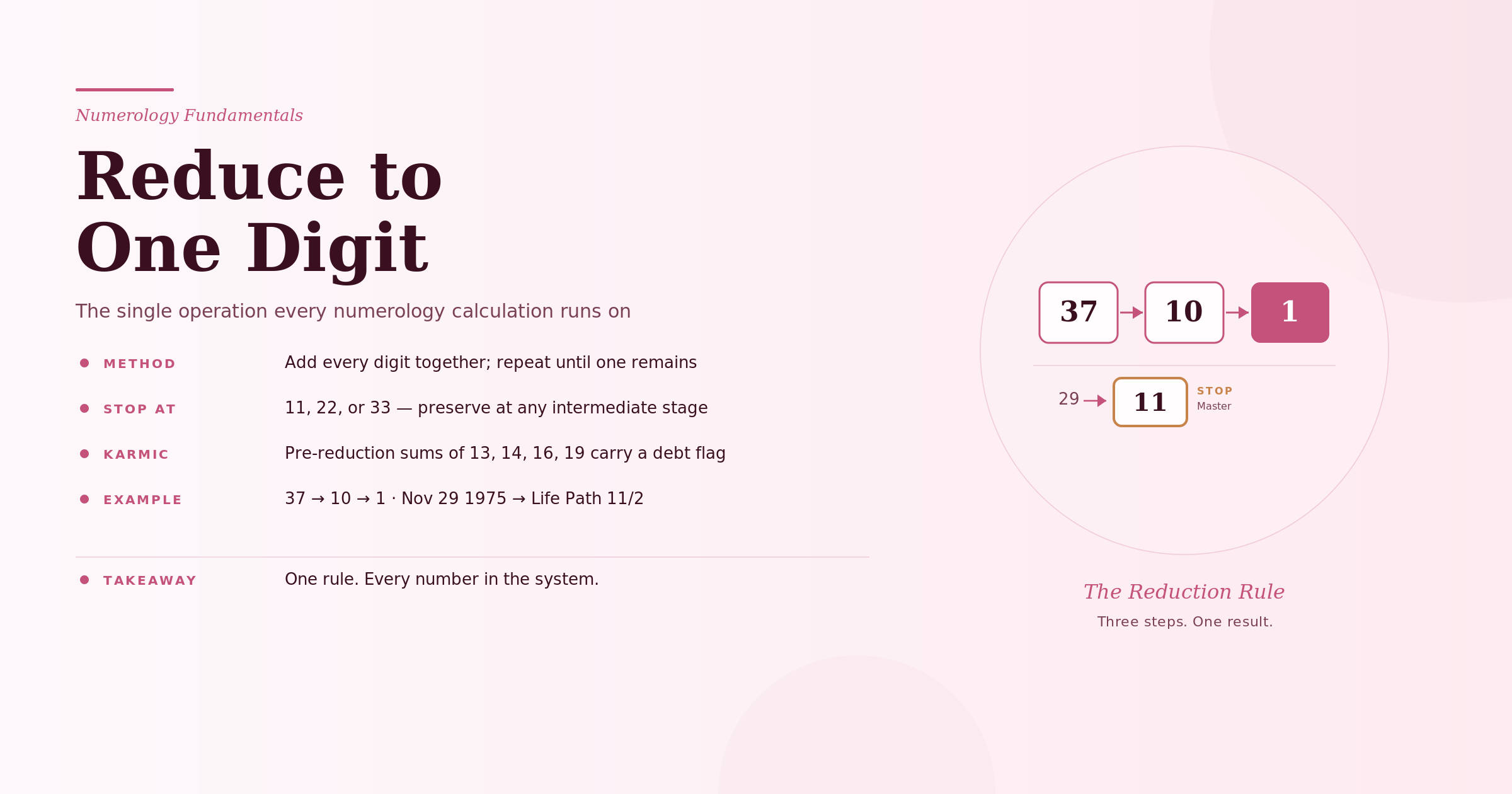
Add all digits of your full birth date and reduce to a single digit. For example, someone born on November 20, 1985 adds 1+1+2+0+1+9+8+5 = 27, then 2+7 = 9. You would be Life Path 9 in that case. If your final single digit is 2, you are Life Path 2. Use the calculator at sorteddimensions.com/resources/tools/ to get your number instantly.
Yes, and often an exceptionally effective one — but through consensus and trust rather than command. LP2 leaders build loyalty that LP1 leaders rarely sustain. Teams led by LP2 tend to have lower turnover, stronger internal communication, and better morale. The key is to lead through relationships, not authority alone. Own your influence; do not apologize for it.
Toxic environments hit LP2s harder than most other Life Paths because you are wired for harmony and attuned to what others are feeling. Prolonged exposure to conflict, hostility, or dishonesty drains your energy at a level that is difficult to recover from during evenings and weekends. Plan your exit proactively rather than waiting until your reserves are fully depleted. Your well-being is not a negotiating chip.
Yes, especially in partnership-based business models. LP2s excel when they have a strong complement — often a bold LP1 partner who handles vision while they handle relationships and operations. Service businesses, consulting practices, and client-centered firms often suit LP2 owners well. The challenge is solo high-risk ventures where you carry the pressure without support.
LP2s tend toward financial caution and steadiness rather than high-risk, high-reward patterns. The growth pattern is reliable rather than explosive. The main risk is undercharging for services because you dislike the confrontation around negotiation. Getting comfortable naming your rate — and holding it — is one of the most financially transformative habits an LP2 can build.
The world needs people who can make others feel genuinely heard. You are one of them. Find the work that makes that skill your most valuable professional asset.